Questions for a 24-Hour Water Damage Company in Trenton, NJ 08638
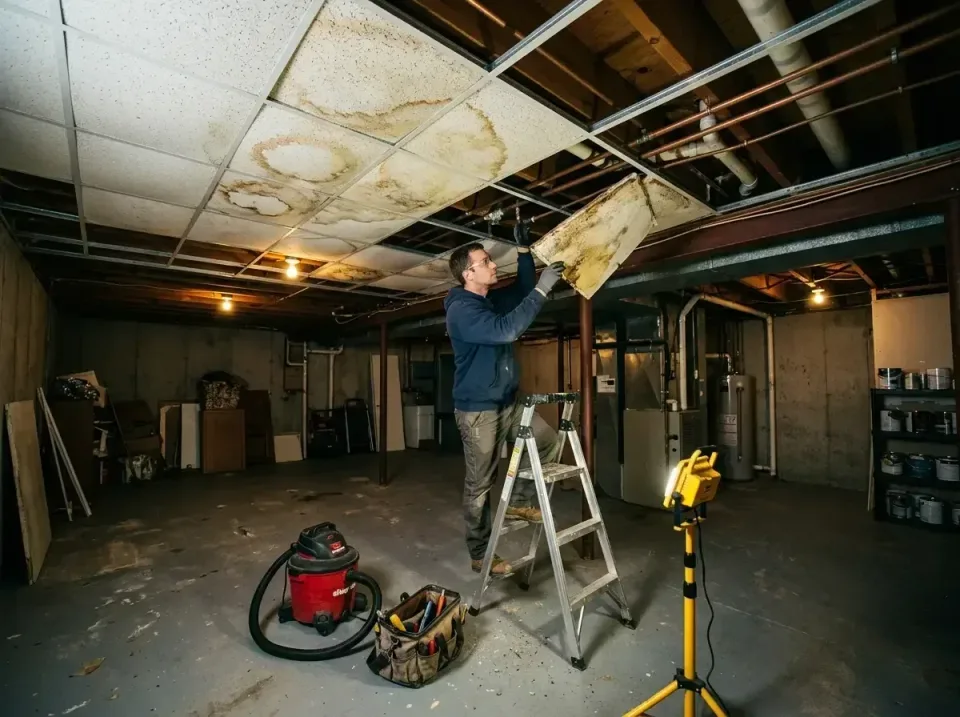
Water Extraction Questions for Trenton Homes
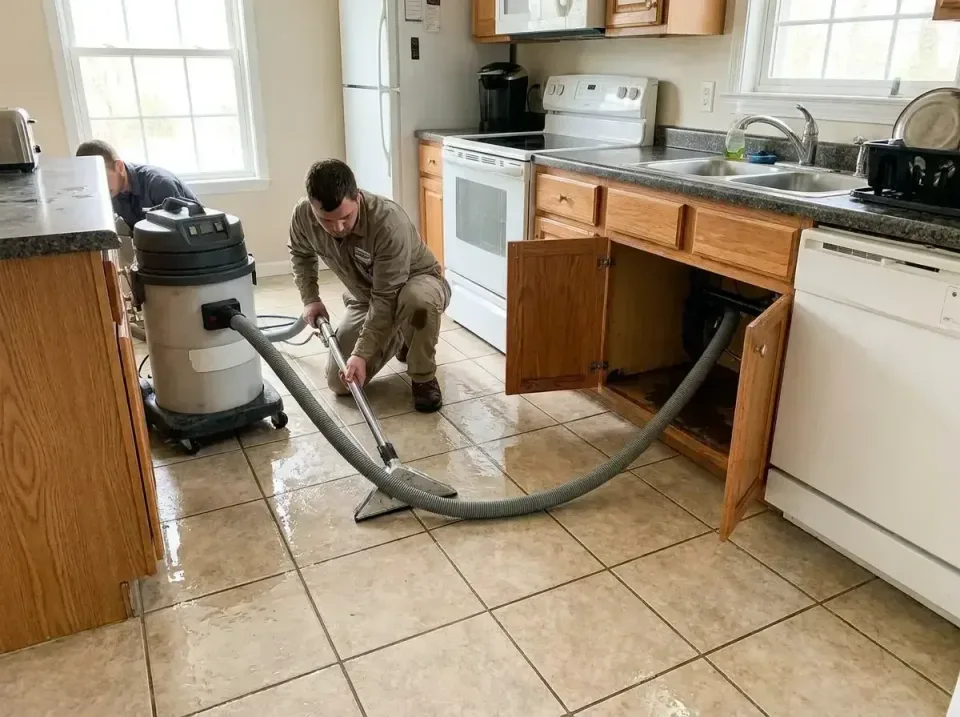
Standing water under flooring needs more than a quick vacuum, so ask how the company will perform water extraction and verify the layers beneath the surface. If sewage may be involved, ask whether the crew will treat it as Category 3 water, meaning sewage contamination that can require removal of porous materials. In Trenton, New Jersey, a useful first question is: “What will you measure before deciding what stays?” Ask about affected flooring, wall cavities, and contents rather than accepting a one-size-fits-all drying plan. Water Damage Pros can explain the assessment, equipment, and documentation needed for your property; homeowners outside the area can check all service areas before requesting help.
Five Category 3 Water Questions to Ask
-
Contamination: Ask whether sewage contamination changes the plan, because Category 3 water can mean porous materials are removed rather than cleaned in place.
-
Flooring: Ask how the crew will investigate standing water under flooring, including whether a Class 2 water loss affects the drying scope.
-
Air quality: Ask when an air scrubber is needed to control airborne particles during cleanup and demolition.
-
Equipment: Ask whether a desiccant dehumidifier is appropriate for cold or difficult areas where ordinary drying may be limited.
-
Documentation: Ask for moisture maps, photographs, and a written explanation of each removal decision; restoration assessment practices can help homeowners understand why scope should follow measured conditions.
Ask How the Crew Classifies the Loss
A good company should explain the water source, affected materials, and proposed controls before work begins. Ask whether the loss is clean water, graywater, or Category 3 water, and request the reason for any drywall, insulation, or flooring removal. The ANSI/IICRC S500 Standard is a useful reference point for professional water damage restoration practices, while the ANSI/IICRC S520 Standard applies when mold work becomes part of the job. Ask who will photograph conditions, protect unaffected rooms, and handle personal protective equipment.
Ask How Drying Will Be Proven
Musty odor after a water leak, wet drywall swelling at seams, or carpet padding that stays soaked can indicate moisture below the visible surface. Ask for moisture mapping, which records affected areas, and ask how the technician will use psychrometrics, the relationship among temperature, humidity, and material drying. A thermal imaging camera can locate suspicious areas, but readings from pin and pinless moisture meters should guide equipment placement and removal. Ask for daily readings and a final report rather than relying on the sound of fans.
Ask What Happens to Contents and Materials
Hardwood flooring, gypsum board, cellulose insulation, and furnishings do not respond to water the same way. Ask whether carpet and padding drying is practical or whether removal will prevent a longer, more expensive job. Ask about content restoration and pack-out, labeling, photographs, and temporary storage before anyone discards property. If mold spots return after cleaning, ask whether the plan includes containment, HEPA filtration, and an antimicrobial treatment rather than another surface wipe.
Ask About Estimates, Standards, and Safety
Request an itemized estimate that separates extraction, demolition, drying, cleaning, and reconstruction. Companies may use the Xactimate estimating platform, but the line items should still be explained in plain language. Ask how the provider follows the IICRC S500 approach and what changes if hidden moisture is found. For a broader industry perspective, restoration equipment and training resources can clarify why calibrated drying equipment is different from household fans. If demolition or contaminated materials are involved, ask who coordinates permits, disposal, and work-zone protection before the crew starts.
Compare Restoration Questions by Service
Match your questions to the actual service instead of accepting a generic estimate. Ask whether the provider offers 24-hour dispatch and emergency assessment, and ask how basement water removal will include subfloor moisture verification before reconstruction. A 2-inch extraction hose may support high-flow recovery, while access limitations can require different equipment. Flood restoration service details can help clarify the difference between surface cleanup and documented structural drying.
| Option | Best for | Key detail |
|---|---|---|
| Emergency water extraction | Active leaks and standing water | Ask about source control and high-volume recovery |
| Carpet and padding drying | Wet rooms with salvageable carpet | Confirm padding moisture readings before approval |
| Basement water removal | Below-grade flooding | Ask about subfloor and wall-cavity checks |
| Sewage backup cleanup | Drains, toilets, or contaminated water | Clean water uses standard drying; sewage requires containment and disposal |
Seven Steps for a Safer Restoration Call
-
Stop the source: Ask the crew to confirm source control before placing drying equipment.
-
Secure utilities: Verify electrical shutoff and GFCI protection around wet areas.
-
Protect rooms: Ask for plastic sheeting over floors and unaffected areas.
-
Control exposure: Confirm containment for sewage or mold work zones.
-
Plan access: Discuss accessible parking, ramp access, or elevator access for equipment delivery; commercial restoration access planning shows why logistics should be discussed before arrival.
-
Track progress: Require daily readings for moisture, temperature, and relative humidity, plus equipment repositioning when trends stall.
-
Close the job: Ask for a final inspection, moisture targets, photographs, and wastewater disposal records before equipment removal.
What Restoration Questions Reveal About Cost
Ask what drives the estimate: water volume, equipment duration, square footage, contamination level, occupancy, and drying scope. Response timing matters because action in the first 24 hours can limit secondary damage, but it does not guarantee a fixed price.
-
Small leak extraction: $500–$1,500, mainly shaped by water volume.
-
Single-room drying: $800–$2,500, based on equipment duration.
-
Basement cleanup: $2,000–$7,500, influenced by square footage.
-
Sewage cleanup: $2,500–$10,000, tied to contamination level.
-
Commercial extraction: $3,000–$15,000, affected by occupancy and scope.
Clean-water drying may take 3–5 days, depending on site conditions. A 20-inch air mover may suit compact room placement, while larger equipment can change access and labor needs. Final quotes vary by location, access, materials, contamination, and drying scope.
The Moisture Mapping Question That Prevents Rework
Ask to see the moisture map before equipment is removed. A technician should be able to explain how psychrometrics and material readings support the drying decision, not simply point to a dry-looking wall.
If hidden moisture remains, secondary damage can appear after the crew leaves. Ask whether an LGR dehumidifier is being used for structural drying and whether negative air is needed to control air movement during contaminated work; HEPA restoration equipment guidance can help explain the difference between filtration and ordinary air circulation.
Common mistake: Choosing the lowest estimate without asking what rooms, materials, readings, and follow-up documentation the price includes.
Your Next Questions for Water Damage Pros
The strongest questions focus on evidence: where the water traveled, which materials can be saved, how drying will be measured, and what documentation you will receive. In Trenton, wet drywall swelling at seams or a musty odor after a leak may call for moisture testing before repairs begin. Ask about content restoration and pack-out, insurance claim documentation, and indoor air quality testing when the loss affects belongings or air conditions. Water Damage Pros can review the source, access, and visible symptoms with you, then outline a practical next step. Prepare photographs, the leak history, and your insurer’s information before calling (833) 710-2743.
Frequently Asked Questions
What should I ask about Water Damage Pros for standing water under flooring?
How long does Carpet Water Extraction & Drying take after a leak?
What if sewage odor near floor drains means Category 3 water?
Can DIY fans handle carpet padding that stays soaked?
What compliance questions should I ask about Mold Remediation & Antimicrobial Treatment?
Explore All Services
Browse all nationwide service options and choose the right fit for your project.
Homeowners, contractors, and property managers book Trenton emergency extraction and structural drying for wet floors, walls, and contents.
Call NowHomeowners, property managers, and contractors book Trenton carpet extraction and padding drying after leaks, floods, or sewage backups.
Call NowLocal wet carpet cleaning & padding drying for Trenton with clear pricing drivers, weight limits, and scheduling you can plan around.
Call NowHomeowners and property managers book Trenton carpet extraction, padding drying, steam cleaning, and odor control after water damage.
Call NowHomeowners, contractors, and property managers book Trenton mold inspection, moisture mapping, containment, and removal after water damage.
Call NowMold Remediation & Antimicrobial Treatment in Trenton — practical container sizing, placement guidance, and disposal rules explained before you book.
Call NowHomeowners and property managers book Trenton crawl space water removal, moisture checks, antimicrobial treatment, and structural drying.
Call NowHomeowners and property managers book basement water extraction, moisture removal, and structural drying in Trenton.
Call NowHomeowners, contractors, and property managers book Trenton mold removal for affected walls, insulation, and damp subfloors.
Call NowHomeowners and property managers book Trenton sewage cleanup for contaminated water extraction, containment, disposal, and drying.
Call NowHomeowners, property managers, and contractors book Trenton flood cleanup for water extraction, structural drying, and moisture control.
Call NowCommercial water extraction removes standing water and supports structural drying for Trenton property managers, contractors, and businesses.
Call NowHomeowners book Trenton residential cleanup for water extraction, carpet drying, structural drying, and moisture checks.
Call NowMoisture Detection & Humidity Monitoring in Trenton — practical container sizing, placement guidance, and disposal rules explained before you book.
Call NowHomeowners and property managers book Trenton dehumidification to dry damp structures, carpets, basements, and crawl spaces.
Call NowHomeowners, contractors, and property managers book Trenton subfloor drying for hidden moisture beneath flooring and inside walls.
Call NowNeed 24-Hour Water Damage Restoration Services in Trenton, NJ, 08638? We extract, dry, map moisture, and dehumidify. Fair quotes for homes and businesses.
Call NowHomeowners and property managers book Trenton odor removal, sanitizing, and moisture treatment after water damage.
Call NowHomeowners, property managers, and contractors book Trenton content restoration, upholstery cleaning, and rug washing after water damage.
Call NowHomeowners, property managers, and contractors book Trenton rug washing after leaks, floods, or sewage exposure.
Call NowBlack Water & Sewage Extraction in Trenton — practical container sizing, placement guidance, and disposal rules explained before you book.
Call NowHomeowners and property managers book Trenton storm cleanup for floodwater extraction, drying, debris, and moisture checks.
Call NowHomeowners and property managers book Trenton claim assistance for water damage photos, records, scopes, and insurer-ready documentation.
Call NowHomeowners, contractors, and property managers book Trenton air quality testing after mold or water damage.
Call NowBrowse by State
Select your region to see local 24-hour water damage restoration services providers and cities we cover.
Need Nationwide 24-Hour Water Damage Restoration Services?
We connect you with trusted local providers in your state or city. Call or email us today.