What Does Basement Water Extraction Cost in Trenton, NJ 08638?
Basement Water Extraction Costs and First Steps
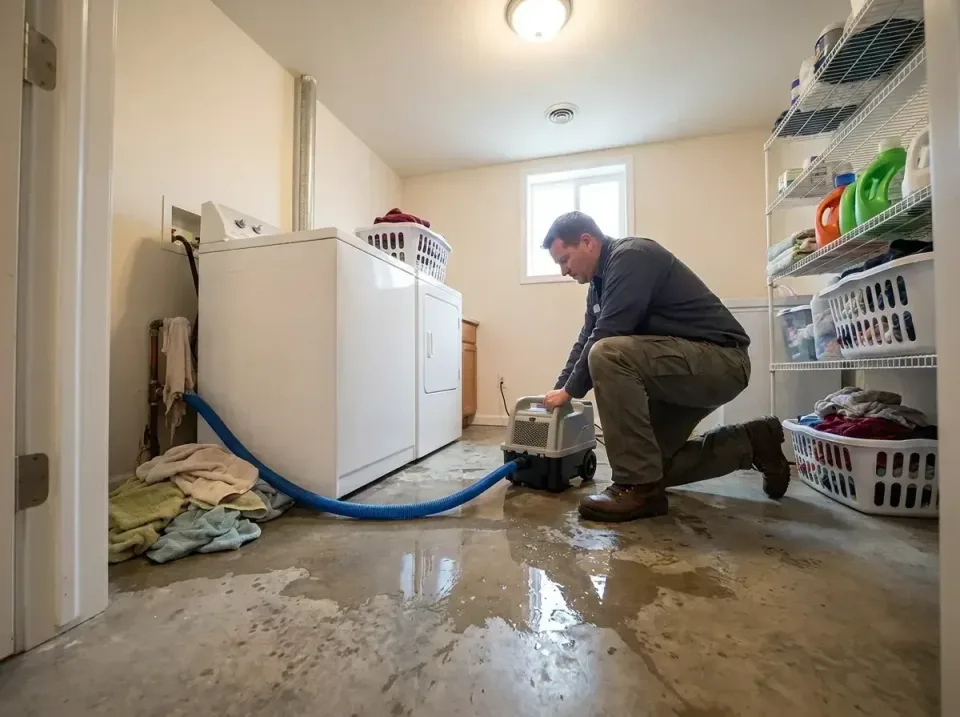
Standing water under flooring usually makes basement extraction more expensive than a surface cleanup because water can move into subfloor materials and wall cavities. A small leak may require water extraction, while sewage-contaminated Category 3 water calls for controlled removal of porous materials. In Trenton, New Jersey, the first step is to stop the source, avoid energized outlets, and document affected rooms before moving contents. Water Damage Pros handles 24-hour assessment and can coordinate basement water removal for local homes or customers using our all service areas directory. A clear estimate should separate pumping, demolition, drying, disposal, and reconstruction rather than combine every task into one unexplained figure.
Five Basement Cost Takeaways for Trenton Homes
-
Standing water: Moisture mapping identifies how far water traveled beneath flooring, which can change a simple extraction into structural drying.
-
Musty odor: Evaporation alone does not remove vapor; dehumidification helps the space move toward equilibrium moisture content.
-
Swollen drywall: Psychrometric drying tracks temperature, humidity, and grains per pound so equipment choices match the room.
-
Soaked padding: Antimicrobial treatment may be considered after extraction when materials have remained damp or odors persist; product selection should follow the ANSI/IICRC S500 Standard.
-
Sweating walls: An LGR dehumidifier removes moisture from basement air, while an air mover increases evaporation; a restoration estimating reference can help homeowners understand why equipment time appears as a separate line item.
What Basement Materials Change the Estimate
Basement water removal costs rise when water reaches cellulose insulation, gypsum board, or flooring adhesives. Cellulose insulation can hold moisture after the visible floor dries, so a technician may open a controlled inspection area rather than guess from the surface. A portable extractor is useful for stair-accessible carpet extraction, but it does not replace inspection of the subfloor or wall cavities. Closed-cell spray foam generally absorbs less water than cellulose, yet edges, seams, and adjoining framing still need checking. The estimate should identify which materials can be dried in place and which must be removed. That distinction often prevents paying for unnecessary replacement while avoiding hidden secondary damage.
Clean-Water Extraction Versus Contaminated Losses
Clean-water extraction is usually handled differently from a backup that leaves sewage odor near floor drains. If the source is a failed supply line and the area is addressed quickly, carpet and padding may be candidates for controlled drying. If water contains sewage, the work shifts toward containment, disposal, and personal protective equipment. The ANSI/IICRC S520 Standard is relevant when microbial contamination and mold-related work overlap, especially where damp gypsum board has begun swelling at seams. Before demolition, homeowners should ask which areas are being isolated and how debris will be handled; water damage cleanup guidance can help explain why contaminated materials require a different scope than a clean-water loss.
Access, Equipment, and Labor
A basement with a narrow stairway, parked vehicles, or a doorway under 32 inches can require more careful equipment placement and longer labor. A portable extractor is often more practical than a truck-mounted unit when hose routing is difficult, even though the truck-mounted system can recover a higher volume of water. Technicians also compare carpet removal with in-place drying: removal may speed drying, while in-place work can preserve flooring when moisture readings support it. Water Damage Pros documents affected materials, contents movement, and drying decisions so a Trenton homeowner can see what the estimate covers rather than paying for a vague equipment allowance.
Why Drying Can Continue After Pumping
Pumping removes liquid water; it does not prove that framing, insulation, or subfloor materials have reached a safe condition. Structural drying continues until readings support the target for the material and surrounding environment. This is particularly important when basement walls sweat or a musty odor returns after cleaning. A technician may leave selected materials in place, remove a limited section for inspection, or recommend additional work based on moisture evidence. The ANSI/IICRC S520 Standard can inform microbial-remediation decisions, while ordinary extraction and drying remain separate parts of the project. Ask for the final moisture documentation before reconstruction begins, not just a statement that the floor feels dry.
Comparing Basement Extraction Options and Equipment
The best option depends on water volume, access, and the material holding moisture. A 2-inch extraction hose supports high-flow recovery, while a 20-inch air mover is easier to place in a compact room. Daily equipment checks and repositioning matter because airflow that works on one wall may miss a wet floor edge. For flood damage restoration or crawl space drying, the estimate may include additional access and monitoring tasks; water restoration equipment guidance can provide useful context for comparing extraction and drying terminology.
| Option | Best for | Key detail |
|---|---|---|
| Emergency water extraction | Fresh standing water | 2-inch hose supports high-flow recovery |
| Crawl space drying | Low-access moisture | Requires careful placement and inspection |
| Flood damage restoration | Broad water spread | Daily equipment checks and repositioning |
| Carpet and padding drying | Wet finished areas | Extraction choice depends on access and saturation |
Seven Steps for Basement Water Removal
-
Dispatch: Arrange after-hours arrival coordination and describe the water source, affected rooms, and any sewage odor.
-
Shutoff: Stop the leak and isolate electrical hazards before workers enter the wet area.
-
Classification: Separate graywater extraction from blackwater and sewage extraction because contamination changes handling.
-
Protection: Use plastic sheeting on unaffected floors and preserve a clear path; ramp access can help move wheeled extraction equipment.
-
Contents: Photograph and label furnishings before relocation or disposal.
-
Extraction: Use suitable Prochem extraction equipment or comparable commercial equipment to remove recoverable water.
-
Verification: Record moisture, temperature, and relative humidity readings until the final inspection supports equipment removal; a small leak extraction commonly falls in the $500–$1,500 range, based mainly on water volume. Before discharge or disposal, confirm applicable local requirements through water restoration process information.
Basement Cleanup Cost Ranges in the United States
Typical project ranges help frame a conversation, but they are not a substitute for measuring the affected area. Basement cleanup often falls between $2,000 and $7,500, with square footage, demolition, and drying scope driving the spread. Category 3 water means sewage contamination, and porous materials are often removed rather than dried in place. Mold remediation or sewage backup cleanup can add containment, disposal, and cleaning work.
-
Small leak extraction: $500–$1,500, mainly influenced by water volume.
-
Single-room drying: $800–$2,500, based on equipment duration.
-
Basement cleanup: $2,000–$7,500, based on square footage.
-
Sewage cleanup: $2,500–$10,000, based on contamination level.
-
Commercial extraction: $3,000–$15,000, based on occupancy and scope.
Regional labor, access, and disposal practices can shift these ranges. Final quotes vary by location, access, materials, contamination, and drying scope.
The 24-Hour Drying Decision That Prevents Rework
A Class 2 water loss can look limited while moisture continues moving beneath flooring and into wall assemblies. Source control must come before drying equipment, and containment is needed when sewage or microbial growth is present.
A technician may select an LGR dehumidifier for structural moisture removal, but the machine should be sized and checked against actual readings rather than left running without review.
Secondary damage often comes from skipping the first inspection or covering a damp floor too soon. A basement drying service overview can help explain why documented readings matter more than the room simply feeling comfortable. Photograph the affected materials, preserve receipts, and ask Water Damage Pros for an itemized scope before reconstruction begins.
Plan the Next Step for Basement Water Extraction
A basement estimate is most useful when it separates water removal, damaged-material handling, drying, and reconstruction. In Trenton, NJ, standing water under flooring, sweating basement walls, or a musty odor after a leak can signal moisture that is not visible from above. Clean-water drying may take 3–5 days, depending on site conditions, while contaminated losses require a different safety and disposal plan. If odors continue, indoor air quality testing may help decide what happens next. Water Damage Pros can assess the source, document affected materials, and explain the cost range before work proceeds. For a practical next step, call (833) 710-2743 to discuss the basement conditions and request an itemized assessment.
Frequently Asked Questions
How much does 24-Hour Water Damage Restoration Services cost for standing water under basement flooring?
Can Carpet Water Extraction & Drying fix padding that stays soaked after a basement leak?
What if basement walls sweat and the musty odor returns after Mold Inspection & Removal?
Does Sewage Backup Cleanup & Extraction cost more than clean-water extraction?
Should I hire a pro for Basement Water Extraction & Drying or use fans myself?
Explore All Services
Browse all nationwide service options and choose the right fit for your project.
Homeowners, contractors, and property managers book Trenton emergency extraction and structural drying for wet floors, walls, and contents.
Call NowHomeowners, property managers, and contractors book Trenton carpet extraction and padding drying after leaks, floods, or sewage backups.
Call NowLocal wet carpet cleaning & padding drying for Trenton with clear pricing drivers, weight limits, and scheduling you can plan around.
Call NowHomeowners and property managers book Trenton carpet extraction, padding drying, steam cleaning, and odor control after water damage.
Call NowHomeowners, contractors, and property managers book Trenton mold inspection, moisture mapping, containment, and removal after water damage.
Call NowMold Remediation & Antimicrobial Treatment in Trenton — practical container sizing, placement guidance, and disposal rules explained before you book.
Call NowHomeowners and property managers book Trenton crawl space water removal, moisture checks, antimicrobial treatment, and structural drying.
Call NowHomeowners and property managers book basement water extraction, moisture removal, and structural drying in Trenton.
Call NowHomeowners, contractors, and property managers book Trenton mold removal for affected walls, insulation, and damp subfloors.
Call NowHomeowners and property managers book Trenton sewage cleanup for contaminated water extraction, containment, disposal, and drying.
Call NowHomeowners, property managers, and contractors book Trenton flood cleanup for water extraction, structural drying, and moisture control.
Call NowCommercial water extraction removes standing water and supports structural drying for Trenton property managers, contractors, and businesses.
Call NowHomeowners book Trenton residential cleanup for water extraction, carpet drying, structural drying, and moisture checks.
Call NowMoisture Detection & Humidity Monitoring in Trenton — practical container sizing, placement guidance, and disposal rules explained before you book.
Call NowHomeowners and property managers book Trenton dehumidification to dry damp structures, carpets, basements, and crawl spaces.
Call NowHomeowners, contractors, and property managers book Trenton subfloor drying for hidden moisture beneath flooring and inside walls.
Call NowNeed 24-Hour Water Damage Restoration Services in Trenton, NJ, 08638? We extract, dry, map moisture, and dehumidify. Fair quotes for homes and businesses.
Call NowHomeowners and property managers book Trenton odor removal, sanitizing, and moisture treatment after water damage.
Call NowHomeowners, property managers, and contractors book Trenton content restoration, upholstery cleaning, and rug washing after water damage.
Call NowHomeowners, property managers, and contractors book Trenton rug washing after leaks, floods, or sewage exposure.
Call NowBlack Water & Sewage Extraction in Trenton — practical container sizing, placement guidance, and disposal rules explained before you book.
Call NowHomeowners and property managers book Trenton storm cleanup for floodwater extraction, drying, debris, and moisture checks.
Call NowHomeowners and property managers book Trenton claim assistance for water damage photos, records, scopes, and insurer-ready documentation.
Call NowHomeowners, contractors, and property managers book Trenton air quality testing after mold or water damage.
Call NowBrowse by State
Select your region to see local 24-hour water damage restoration services providers and cities we cover.
Need Nationwide 24-Hour Water Damage Restoration Services?
We connect you with trusted local providers in your state or city. Call or email us today.