Do You Need a Permit for Water Damage Repairs in Trenton, NJ 08638?
Category 3 Water and Permit Questions
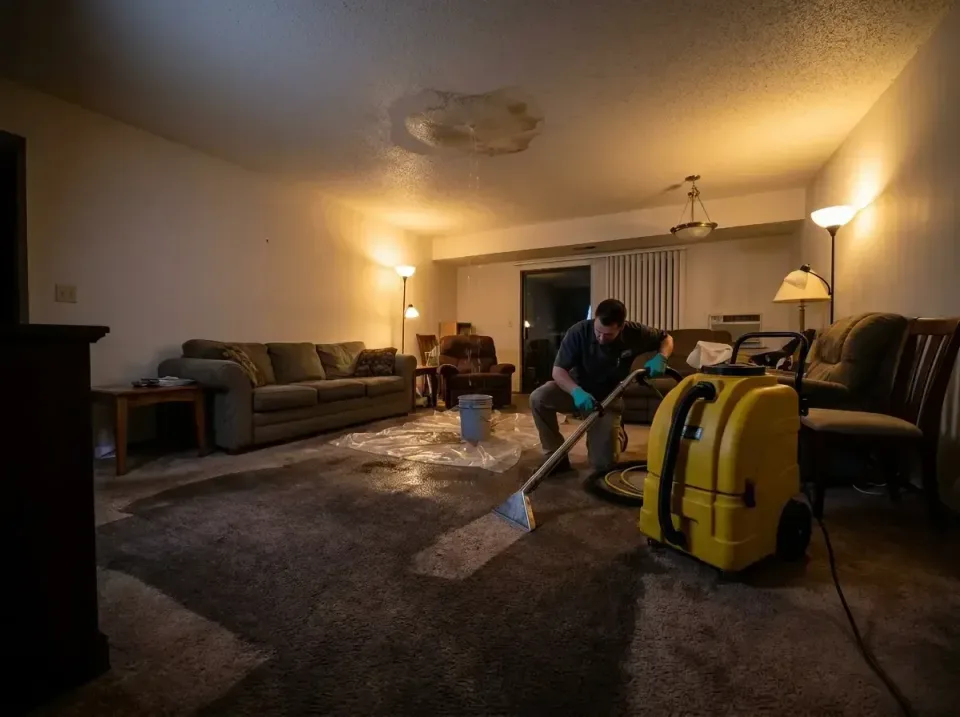
Standing water under flooring does not automatically require a permit, but demolition, plumbing changes, electrical work, or structural repairs often do. In Trenton, a Category 3 loss involving sewage needs controlled removal, while a Class 2 water loss may call for drying without reconstruction. A restoration crew can begin source control and safe water extraction while the property owner confirms which work the local building office regulates. For broader emergency coverage beyond New Jersey, review the 24-hour restoration service areas before choosing a provider. Keep damaged materials documented, especially if wet drywall, insulation, or flooring must be removed, because the permit question usually turns on the repair scope rather than the presence of water alone.
Five Permit Takeaways for Wet Homes
-
Standing water: Water under flooring may need extraction first, while replacing a subfloor can trigger a local permit review.
-
Contamination: Category 3 water means sewage contamination, so porous materials are often removed instead of simply dried.
-
Moisture balance: Equilibrium moisture content helps a technician judge when wood and framing have returned to a stable condition.
-
Hidden damage: Unchecked moisture can create secondary damage behind trim, flooring, or gypsum board, even after the surface looks dry.
-
Cleaning choices: Antimicrobial treatment should match the material and contamination; EPA List N products may be considered when their label allows the intended use. Trenton homeowners comparing emergency documentation can examine water damage repair guidance while asking who will handle permits, disposal, and drying records.
When Water Removal Usually Does Not Need a Permit
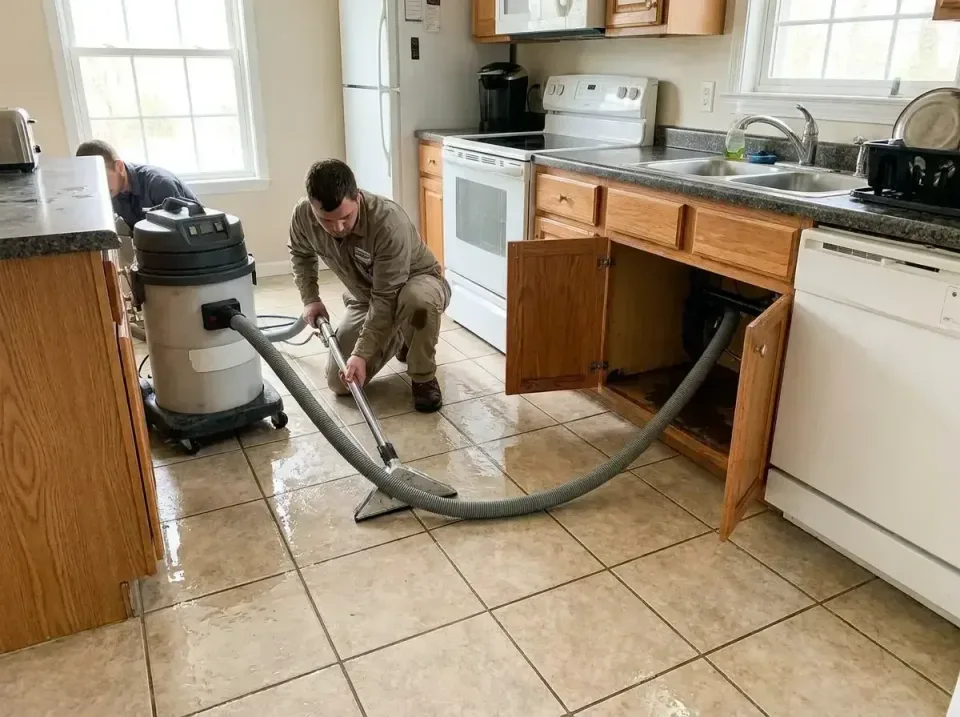
Emergency water extraction and structural drying are commonly treated differently from rebuilding. Removing loose water, placing drying equipment, cleaning salvageable contents, and documenting moisture usually do not change the building layout. The line can shift when workers remove wall sections, replace subflooring, alter wiring, repair plumbing, or disturb framing. A wet drywall seam may look minor, but opening a wall in a load-bearing area or changing a fire-rated assembly deserves a permit conversation before demolition proceeds.
A technician should record the source, affected rooms, materials, and proposed removal. Moisture mapping can show whether standing water traveled beneath hardwood flooring or into wall cavities. That record helps the owner, contractor, and Trenton code official separate emergency mitigation from permitted reconstruction. If an insurer is involved, photographs and an itemized scope also reduce confusion about what was removed and why.
Flood Damage Restoration and Wall Materials
Flood damage restoration becomes more involved when water reaches insulation or concealed cavities. Cellulose insulation can hold moisture and contaminants, while closed-cell spray foam behaves differently and may remain in place if it is intact and accessible for inspection. Neither material alone answers the permit question; the deciding issue is usually whether demolition or structural repair is planned.
The ANSI/IICRC S520 Standard is relevant when mold-like growth or contaminated materials are present. A HEPA air scrubber helps control airborne particles during contained work, and workers should use personal protective equipment suited to the hazard. If disinfecting hard, nonporous surfaces, product directions matter; EPA List N products are not a blanket substitute for cleaning, removal, or proper disposal. Before street or curb placement of debris, confirm water damage cleanup practices that address contaminated material handling and local disposal requirements.
Sewage, Mold, and Safety Rules
Sewage odor near floor drains changes the safety plan even if the visible water is gone. Containment keeps a contaminated work zone separated from occupied rooms, while negative air can help control airflow during demolition. A homeowner should not assume that a permit covers worker safety, wastewater discharge, or debris transport. OSHA 29 CFR 1910.1030 addresses bloodborne-pathogen exposure, and OSHA 29 CFR 1910.1200 covers hazard communication for chemical and job-site hazards.
The EPA Renovation, Repair and Painting Rule may apply when painted surfaces in a pre-1978 home are disturbed. Local building permits still govern demolition or structural repairs, and a local sewer authority may have separate requirements for wastewater discharge. A restoration contractor can identify these parallel obligations before removing contaminated gypsum board or insulation.
DIY Drying Versus Professional Documentation
A household fan may improve air movement, but it cannot show whether moisture remains below flooring or inside a wall. Professional crews use moisture meters, containment practices, and written readings to decide whether materials can stay or must be removed. The ANSI/IICRC S500 Standard provides a framework for water damage restoration work, but it does not replace a municipal permit.
DIY work may suit a small, clean spill that is fully extracted and leaves no damaged building materials. Call Water Damage Pros when carpet padding stays soaked, mold spots return after cleaning, a basement wall remains damp, or reconstruction is needed. The practical next step is a documented assessment: identify the water source, separate mitigation from repair, and ask which portion of the proposed scope requires approval.
Which Water Service Usually Involves Permit Review?
Permit needs depend on the repair activity, not the service label. Commercial and residential crew deployment may use different access plans, but both should leave moisture maps with documented drying readings. A truck-mounted extractor provides higher volume, while a portable unit suits tighter access; neither automatically creates a permit obligation. For mold-affected areas, restoration containment practices help clarify why HEPA containment is separate from reconstruction approval.
| Option | Best for | Key detail |
|---|---|---|
| Emergency water extraction | Active leaks and surface water | Equipment removal is usually separate from rebuilding permits |
| Basement water removal | Foundation-level water | Subfloor or wall demolition may require review |
| Sewage backup cleanup | Contaminated floors and drains | Disposal and containment rules can apply |
| Mold remediation | Returning mold spots | HEPA containment may be needed before repair |
| Commercial structural drying | Large occupied properties | Documented readings support phased approvals |
Six Steps Before Water Repairs Begin
-
Stop the source: Arrange emergency dispatch and shut off utilities before extraction if electricity may contact wet areas.
-
Protect the site: Place plastic sheeting over floors and unaffected areas, then preserve clear walkways and exits.
-
Separate hazards: Use personal protective equipment and isolate sewage or mold work zones before removal.
-
Check the scope: Ask whether demolition, plumbing, electrical, or structural work needs a local permit; the IICRC S500 standard guides restoration practice but is not a permit.
-
Dry and document: Place B-Air air movers where airflow is safe, then record daily moisture, temperature, and relative humidity readings.
-
Verify completion: Photograph contents before disposal and perform a final inspection before equipment removal. A water restoration process overview can help homeowners prepare questions about access, readings, and reconstruction.
Permit-Related Water Cleanup Costs
Permit fees are only one part of the project. The larger cost drivers are water volume, equipment duration, square footage, contamination level, and occupancy or scope.
-
Small leak extraction: $500–$1,500, based mainly on water volume.
-
Single-room drying: $800–$2,500, influenced by equipment duration.
-
Basement cleanup: $2,000–$7,500, with square footage affecting labor and removal.
-
Sewage cleanup: $2,500–$10,000, driven by contamination level and disposal needs.
-
Commercial extraction: $3,000–$15,000, depending on occupancy and scope.
Response timing in the first 24 hours can limit secondary damage. A crawl space drying project may require more access work than a small interior leak, while a 50-pint dehumidifier may suit a limited residential area. Final quotes vary by location, access, materials, contamination, and drying scope.
Moisture Mapping Before Permit Decisions
A permit decision should follow the repair scope, not a guess based on how dry the surface feels. Moisture mapping can reveal wet framing or flooring that changes a simple cleanup into a demolition project.
Water extraction removes liquid, but a desiccant dehumidifier may be selected when conditions require vapor removal beyond ordinary air movement. Technicians also track grains per pound, a measure of moisture in air, because the reading helps explain whether drying is progressing. An air scrubber can support controlled work around dust or contaminants, but it does not replace containment or required approvals. Before signing a reconstruction scope, ask for the readings, affected materials, and permit assumptions; local water damage service information can help frame that conversation.
Common mistake: Removing a large wall or flooring section before documenting contents, moisture conditions, and the intended permit scope.
Your Trenton Permit and Drying Next Step
Water removal itself may not need a permit, but demolition, plumbing, electrical, or structural repairs often do. In Trenton, a musty odor after a leak or carpet padding that stays soaked is a reason to document hidden moisture before rebuilding. Clean-water drying may take 3–5 days when site conditions allow, and an axial air mover can produce 1,000–2,000 CFM, but equipment alone does not prove a structure is ready. If odors persist, ask about indoor air quality testing and written moisture records. Water Damage Pros can assess the loss, separate mitigation from permitted repairs, and outline the next step; homeowners can also check local restoration service information before arranging an assessment.
Frequently Asked Questions
Does 24-Hour Water Damage Restoration need a permit for carpet water extraction and drying?
Do I need a permit for basement water removal after a sewage backup?
Can I dry wet drywall myself without hiring Water Damage Pros?
How long does permitted water damage repair take after water extraction?
Do mold remediation rules apply if mold spots return after cleaning?
Explore All Services
Browse all nationwide service options and choose the right fit for your project.
Homeowners, contractors, and property managers book Trenton emergency extraction and structural drying for wet floors, walls, and contents.
Call NowHomeowners, property managers, and contractors book Trenton carpet extraction and padding drying after leaks, floods, or sewage backups.
Call NowLocal wet carpet cleaning & padding drying for Trenton with clear pricing drivers, weight limits, and scheduling you can plan around.
Call NowHomeowners and property managers book Trenton carpet extraction, padding drying, steam cleaning, and odor control after water damage.
Call NowHomeowners, contractors, and property managers book Trenton mold inspection, moisture mapping, containment, and removal after water damage.
Call NowMold Remediation & Antimicrobial Treatment in Trenton — practical container sizing, placement guidance, and disposal rules explained before you book.
Call NowHomeowners and property managers book Trenton crawl space water removal, moisture checks, antimicrobial treatment, and structural drying.
Call NowHomeowners and property managers book basement water extraction, moisture removal, and structural drying in Trenton.
Call NowHomeowners, contractors, and property managers book Trenton mold removal for affected walls, insulation, and damp subfloors.
Call NowHomeowners and property managers book Trenton sewage cleanup for contaminated water extraction, containment, disposal, and drying.
Call NowHomeowners, property managers, and contractors book Trenton flood cleanup for water extraction, structural drying, and moisture control.
Call NowCommercial water extraction removes standing water and supports structural drying for Trenton property managers, contractors, and businesses.
Call NowHomeowners book Trenton residential cleanup for water extraction, carpet drying, structural drying, and moisture checks.
Call NowMoisture Detection & Humidity Monitoring in Trenton — practical container sizing, placement guidance, and disposal rules explained before you book.
Call NowHomeowners and property managers book Trenton dehumidification to dry damp structures, carpets, basements, and crawl spaces.
Call NowHomeowners, contractors, and property managers book Trenton subfloor drying for hidden moisture beneath flooring and inside walls.
Call NowNeed 24-Hour Water Damage Restoration Services in Trenton, NJ, 08638? We extract, dry, map moisture, and dehumidify. Fair quotes for homes and businesses.
Call NowHomeowners and property managers book Trenton odor removal, sanitizing, and moisture treatment after water damage.
Call NowHomeowners, property managers, and contractors book Trenton content restoration, upholstery cleaning, and rug washing after water damage.
Call NowHomeowners, property managers, and contractors book Trenton rug washing after leaks, floods, or sewage exposure.
Call NowBlack Water & Sewage Extraction in Trenton — practical container sizing, placement guidance, and disposal rules explained before you book.
Call NowHomeowners and property managers book Trenton storm cleanup for floodwater extraction, drying, debris, and moisture checks.
Call NowHomeowners and property managers book Trenton claim assistance for water damage photos, records, scopes, and insurer-ready documentation.
Call NowHomeowners, contractors, and property managers book Trenton air quality testing after mold or water damage.
Call NowBrowse by State
Select your region to see local 24-hour water damage restoration services providers and cities we cover.
Need Nationwide 24-Hour Water Damage Restoration Services?
We connect you with trusted local providers in your state or city. Call or email us today.